

How to Choose Japanese Bass Lures: A 2026 Guide
Table of Contents
What Makes Japanese Domestic Market Lures Different
Understanding Lure Categories: Soft Plastics vs. Hard Baits
Soft Plastics for Finesse Fishing
Hard Baits for Power Fishing
How to Match Lures to Water Conditions
Water Clarity and Depth Matching
Seasonal Selection Strategies
Lure Action and Movement: The Technical Foundation
Best Megabass Lures for Bass Fishing
Top Rated 6th Sense Crankbaits for Different Scenarios
How to Choose Japanese Bass Lures: Step-by-Step Process
Step 1: Assess Your Target Baitfish Profile
Step 2: Select Based on Water Conditions
Step 3: Verify Authenticity and Quality
Step 4: Test Retrieve Speed and Rod Sensitivity
Common Mistakes When Selecting Japanese Bass Lures
Frequently Asked Questions
Last Updated: September 21, 2026
What Makes Japanese Domestic Market Lures Different
Japanese Domestic Market lures represent a fundamentally different approach to bass fishing tackle, engineered with precision that reflects decades of refinement in Japanese freshwater fishing culture where anglers compete under exacting conditions that demand performance most American manufacturers never prioritize. This same obsession with technical superiority extends beyond the tackle box to the gear worn in the field, where specialized performance fishing shirts provide the necessary climate control to maintain that level of focus during long days on the water.
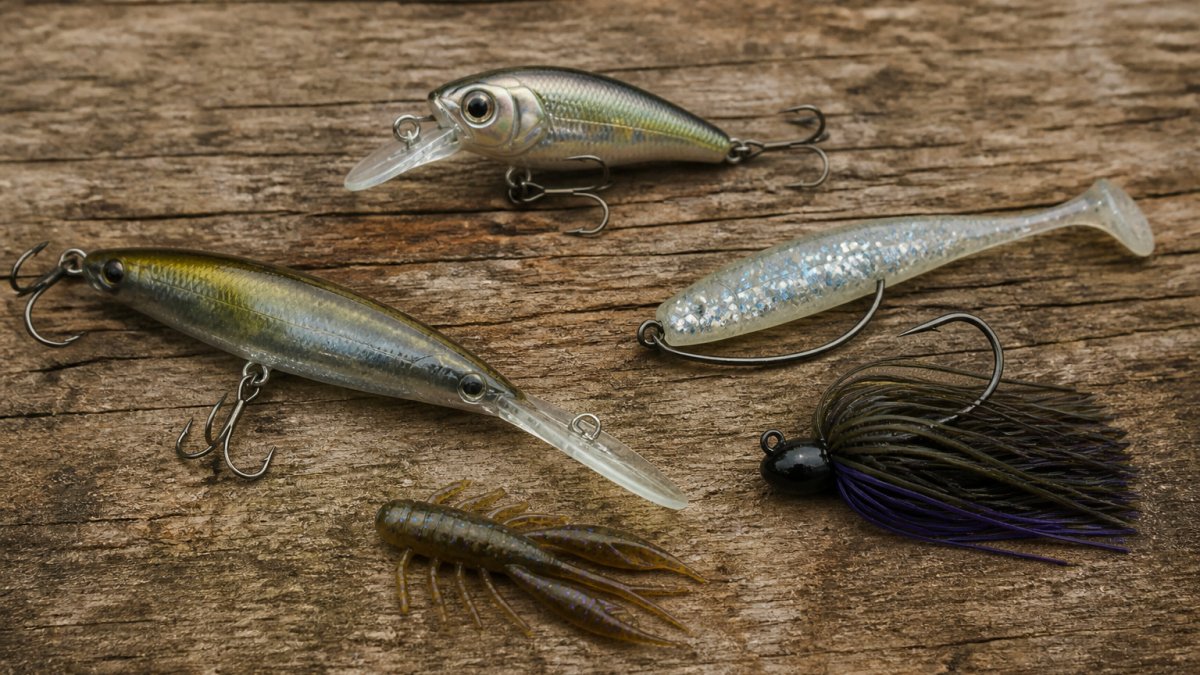
JDM lures feature detailed appendages, realistic finishes, and internal construction that creates subtle vibration patterns and rattle chambers designed to trigger strikes in pressured waters. A glide bait from Megabass moves with a side-to-side action that mimics injured baitfish.
Pine State Tackle carries the largest JDM selection in the Northeast, stocking the brands that serious bass anglers depend on: Megabass, Geecrack, and 6th Sense. These aren't novelty imports. They're tournament-proven lures that work because their designers obsess over details most anglers never notice until they see the results.
JDM soft plastics hold up through repeated casts and strikes. Hard baits feature superior paint finishes and hardware.
Pro Tip Import logistics affect availability. The best JDM lures sell out quickly because supply is limited. Building relationships with dealers who stock consistently, like Pine State Tackle, saves you weeks of waiting and ensures you have what you need when conditions align.
Understanding Lure Categories: Soft Plastics vs. Hard Baits
Soft Plastics for Finesse Fishing
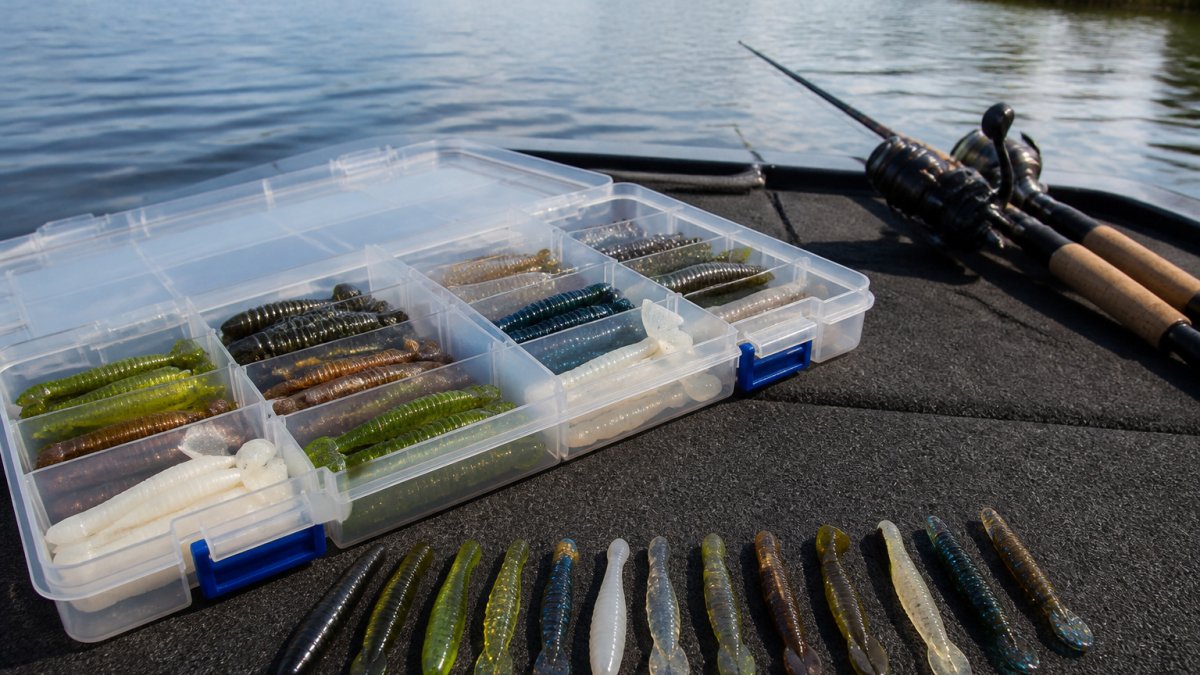
Soft plastic lures dominate finesse fishing in clear water and over vegetation when bass feed selectively. A quality JDM soft plastic from Geecrack moves with natural undulation that mimics shiners, bluegill, and shad.
The appendage design on premium soft plastics creates micro-vibrations that transmit through the line, giving real-time feedback about underwater action and letting you adjust retrieve speed to match actual prey behavior.
Soft plastics excel at matching baitfish profiles precisely, critical in clear water where bass scrutinize every meal before committing.
The trade-off: soft plastics require more technique to create action through rod movement and retrieve speed, while hard baits do much of the work automatically.
Hard Baits for Power Fishing
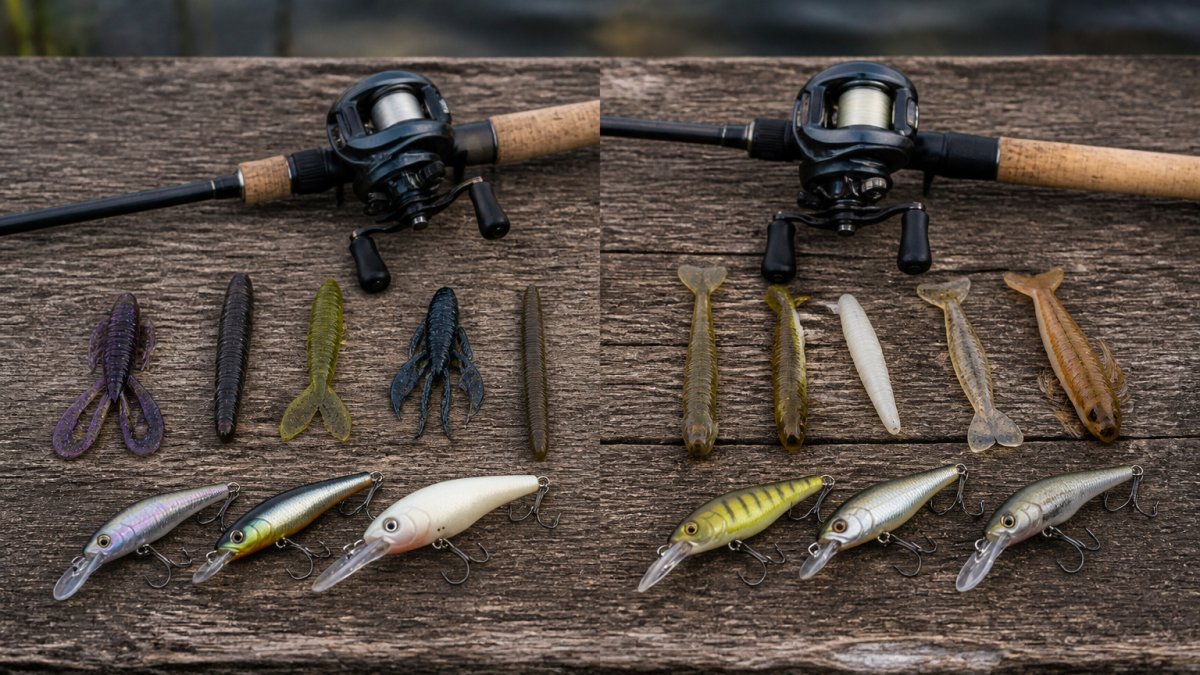
Hard baits, crankbaits, glide baits, topwater lures, and swimbaits, generate action through their design, making them ideal for covering water quickly and fishing low-clarity conditions where visibility demands pronounced profiles.
Topwater lures create disturbance bass detect from distance. A suspending crankbait from 6th Sense stays in the strike zone longer than sinking alternatives, giving bass more time to commit.
Power fishing with hard baits suits tournament schedules and aggressive patterns, covering more water and capitalizing on competitive feeding windows.
The construction withstands repeated strikes without cracking. The hardware, split rings, hooks, eye connections, resists failure under load.
Key Takeaway Soft plastics demand finesse and technique; hard baits deliver action automatically. Your water clarity and bass aggression determine which category suits your day.
How to Match Lures to Water Conditions
Water Clarity and Depth Matching
Water clarity determines lure visibility and sensory cues bass rely on. Clear water demands realistic finishes and natural color patterns matching local baitfish, since bass recognize profiles before striking.
THE REEL TEST
Murky water reverses the priority, bass rely on vibration and lateral line detection. Lures with pronounced appendages and rattle chambers, plus darker colors and high-contrast patterns, penetrate low-clarity conditions better.
Depth matching prevents wasted casts. Bass suspending at eight feet require subsurface hard baits or weighted soft plastics, not topwater lures.
JDM lures excel at depth specificity. A 6th Sense crankbait's lip design, weight distribution, and buoyancy create predictable diving curves, so you know exactly where it sits in the water column.
Seasonal Selection Strategies
Spring bass fishing demands lures that trigger spawning instincts. Bright colors and erratic retrieves work, with topwater and glide baits excelling at provoking territorial strikes.
Summer brings deeper bass and selective feeding. Clear water requires finesse soft plastics and subtle presentations, with natural finishes and smaller profiles matching forage bass see during reduced-visibility hours.
Fall triggers aggressive feeding as bass prepare for winter. Larger profiles and pronounced action work, with swimbaits and hard baits generating strikes as bass feed competitively.
Winter slows everything, cold water reduces bass metabolism, making finesse essential. Small soft plastics, slow retrieves, and natural colors appeal to survival instinct and occasional feeding opportunities.
Lure Action and Movement: The Technical Foundation
Lure action determines how effectively your presentation converts visibility into strikes. A glide bait's tight side-to-side movement creates different stimulus than a crankbait's wide wobble.
Topwater lures create surface disturbance that bass detect from distance, working best in low-light conditions and aggressive feeding windows.
Subsurface hard baits deliver consistent wobble or glide patterns. A crankbait wobbles side-to-side at a fixed frequency determined by its lip design. A glide bait moves with a slower, more exaggerated side-to-side motion that mimics an injured baitfish. Each action type triggers different response mechanisms.
Rod sensitivity matters more than most anglers realize. A sensitive rod transmits lure action directly to your hands. You feel the vibration, the wobble, the resistance. This feedback tells you whether the lure is working correctly and whether bass are investigating without committing. A soft plastic on a sensitive rod lets you detect subtle takes that heavier rods miss entirely.
Line weight affects lure action. Lighter line allows more natural movement and better sensitivity. Heavier line dampens vibration and reduces feel. Matching line weight to lure weight and retrieve speed ensures your presentation stays consistent and responsive.
Watch Out Counterfeit JDM lures circulate in the market. Fake lures display poor paint quality, incorrect weight distribution, and weak construction. Verify authenticity through established dealers like Pine State Tackle who source directly from manufacturers. A counterfeit lure won't perform as designed and wastes your money.
Best Megabass Lures for Bass Fishing
Megabass dominates the glide bait category with lures engineered for precision presentations in clear water. Their lures feature realistic finishes and hydrodynamic designs that trigger strikes from selective bass.
The Megabass brand built its reputation on understanding how bass perceive movement. Their glide baits move with a subtle side-to-side action that mimics baitfish behavior at multiple retrieve speeds. This versatility lets a single lure work across varied conditions and bass moods.
Megabass hard baits feature superior construction and realistic detail. Paint finishes replicate actual baitfish patterns. Hardware withstands repeated strikes. The internal rattle chambers create vibration frequencies that penetrate murky water while remaining subtle enough for clear-water presentations.
Soft plastics from Megabass offer realistic appendages and natural color patterns. The material composition holds up through extended use without degrading. Anglers report consistent performance across multiple outings, the lure maintains its action and durability.
Top Rated 6th Sense Crankbaits for Different Scenarios
6th Sense crankbaits deliver precision depth control and consistent diving curves. Their engineering focuses on reaching specific depth zones and maintaining those zones throughout the retrieve.
For shallow water fishing (zero to six feet), 6th Sense shallow-diving crankbaits reach the zone without excessive effort. The lip design creates a predictable diving curve.
How to Choose Japanese Bass Lures: Step-by-Step Process

Step 1: Assess Your Target Baitfish Profile
Begin by identifying what baitfish actually inhabit your target water. Visit local tackle shops, observe what anglers are catching, and examine stomach contents from fish you catch. Are shad the dominant forage? Bluegill? Shiners? The answer determines lure selection.
Step 2: Select Based on Water Conditions
Assess water clarity, depth, and current conditions. Clear water demands realistic finishes and subtle presentations. Murky water demands pronounced vibration and high-contrast colors.
Step 3: Verify Authenticity and Quality
Purchase from established dealers like Pine State Tackle who source directly from manufacturers. Examine packaging, paint quality, and hardware construction. Authentic JDM lures display meticulous finish work and precise weight distribution.
Step 4: Test Retrieve Speed and Rod Sensitivity
Once you've selected lures, test them in your target water. Vary retrieve speed to find the cadence that produces the action you want. Some lures shine at slow retrieves. Others demand medium or fast speeds.
Common Mistakes When Selecting Japanese Bass Lures
Selecting based on appearance instead of function represents the most common error. A beautiful lure that doesn't match your water conditions won't produce. Aesthetics matter less than performance. Select for the conditions you'll fish, not the lure that looks best in your tackle box.
Frequently Asked Questions
What makes Japanese domestic market (JDM) lures different from standard lures?
JDM lures feature realistic finishes. Japanese manufacturers focus on fine-tuning lure action, vibration, and hook-up ratios through extensive testing. The materials used in JDM lures typically offer durability. These differences translate to performance across varying water conditions and retrieve speeds.
How do I choose between soft plastics and hard baits when selecting Japanese bass lures?
Choose soft plastics for finesse fishing in clear water or when bass are inactive, they excel at matching natural baitfish movements and offer subtle appendage action. Hard baits work best for power fishing, covering water quickly, and triggering strikes in murky conditions or when targeting aggressive bass. Consider your target depth: soft plastics excel at suspending, while hard baits like crankbaits control depth more precisely. Your rod sensitivity and line weight also influence this choice.
Are Japanese lures worth the higher price point for recreational bass fishing?
For recreational anglers, JDM lures offer durability and consistent action. You'll spend less time dealing with damaged lures and more time fishing effectively. Even weekend anglers can benefit from the lure action and realistic finishes that Japanese engineering provides. Start with one or two premium JDM lures in your primary fishing conditions to experience the difference before committing to a full tackle system.
How does water clarity influence my choice of Japanese bass lures?
In clear water, bass rely on sight, so use lures with realistic finishes and subtle vibration, soft plastics and minnow baits excel here. In murky water, bass hunt by vibration and lateral line detection, so choose lures with strong rattle chambers and pronounced appendage action. Stained water requires a balance: moderate vibration and color patterns that create contrast. Always match your lure's color to the baitfish profile in your specific water and adjust retrieve speed based on visibility.
Download our App!
Comments